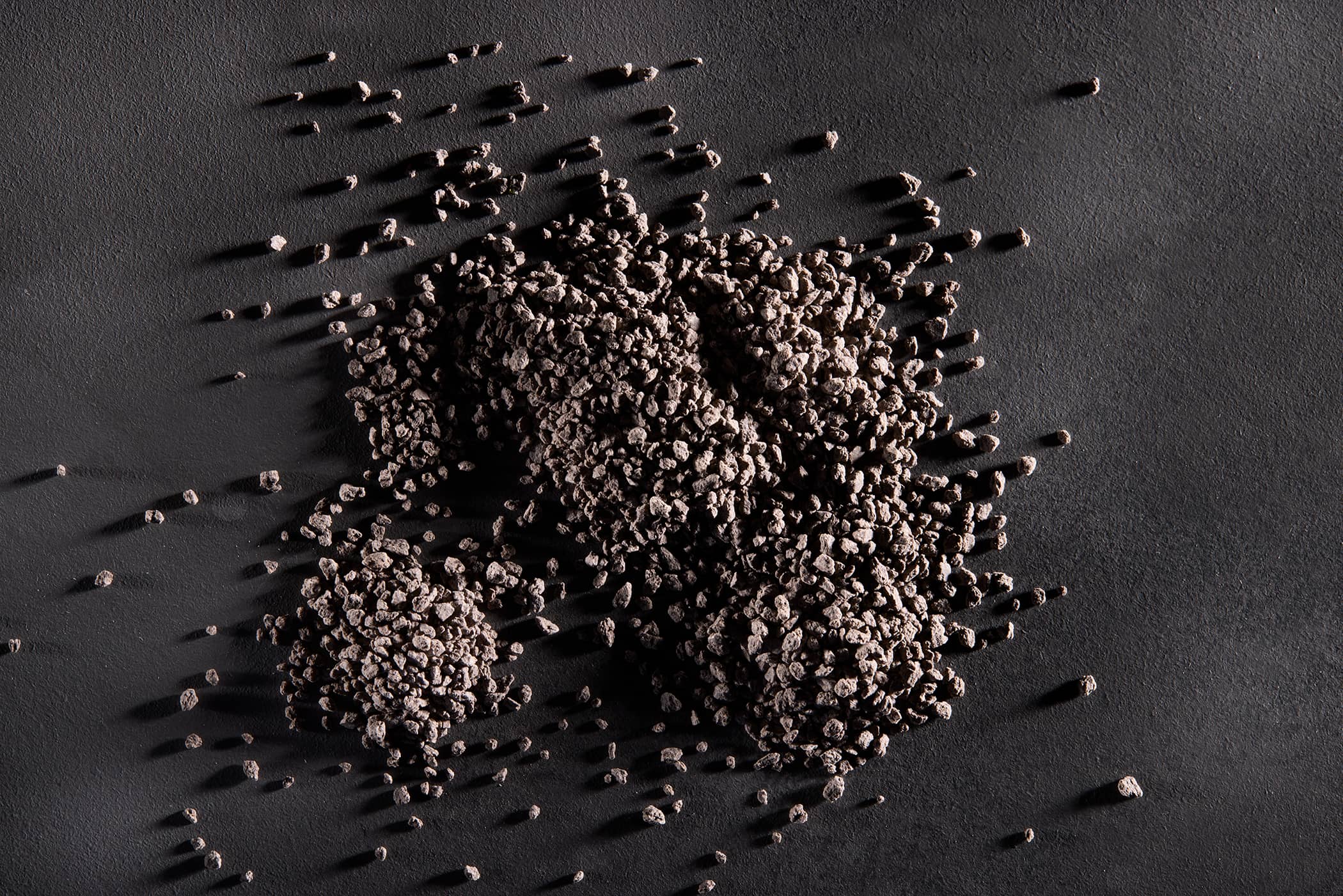
Phenolic Molding Compounds

PLENCO manufactures phenolic molding compounds for applications where components must withstand heat, mechanical loads, electrical stress, and chemical exposure while maintaining dimensional stability.

Formulation & Processing Flexibility

PLENCO offers single-stage and two-stage phenolic molding compounds in granular, nodular, and briquette forms, with pigmented grades available. Flow, cure characteristics, moisture content, and particle size can be tailored to meet specific processing and application requirements.
Performance for Demanding Environments

Various grades are engineered to provide exceptional properties, including thermal and chemical resistance, dielectric strength, surface hardness, creep resistance, and dimensional stability. These characteristics help critical-to-function molded components perform reliably under demanding operating conditions.

Support from Testing to Production

PLENCO’s materials engineering, manufacturing, and technical service teams work with customers to select existing grades or develop custom compounds based on processing conditions and end-use requirements. Our support extends from initial material evaluation and testing through full-scale production.
PLENCO melamine-phenolic molding compound granules

Melamine-Phenolic Molding Compounds

Engineered for Electrical Performance, Surface Durability, and Thermal Resistance

Reliable Electrical Performance

With decades of proven service in switchgear, PLENCO melamine-phenolic compounds provide excellent arc and tracking resistance, electrical insulation, and dimensional stability under repeated switching conditions.

Durable Molded Surfaces

These compounds combine surface hardness, abrasion resistance, and thermal stability to help molded components maintain surface integrity, resist mechanical wear, and withstand elevated temperatures throughout their intended service life.

Proven Flame Performance

PLENCO melamine-phenolic compounds are available in grades that demonstrate V-0 flammability performance at 1.5 mm thickness, supporting electrical applications where flame resistance is a critical design requirement.
Molded-case circuit breakers installed in an electrical distribution cabinet

Questions Answered

Answers to common questions about material selection, processing methods, and performance requirements.

What processing methods are compatible with PLENCO phenolic molding compounds?

PLENCO phenolic molding compounds are available for compression, transfer, and injection molding. The appropriate method depends on material grade, part geometry, tooling, and production requirements. Our technical team can assist with material selection and processing recommendations. For additional information, visit our Processing Guide.

How do I determine which phenolic molding compound is right for my application?

Material selection depends on heat resistance, mechanical strength, electrical properties, chemical exposure, and processing requirements. PLENCO offers multiple grades with different performance characteristics and provides technical support to help identify the appropriate material.

What are the differences between phenolic and melamine-phenolic molding compounds?

Conventional phenolic compounds provide combinations of thermal resistance, mechanical strength, and dimensional stability. Melamine-phenolic compounds combine these characteristics with enhanced surface hardness and electrical properties, making them particularly suitable for switchgear and other electrical applications.

Can PLENCO develop custom molding compounds to meet specific performance requirements?

Yes. PLENCO develops custom compounds to meet specific mechanical, thermal, electrical, and processing requirements. Our materials engineering team can evaluate performance targets and recommend formulation adjustments for the application.