
Sustainability in How We Operate

PLENCO approaches sustainability through practical manufacturing improvements: reducing energy use, recovering usable materials, measuring emissions, and reporting progress clearly.
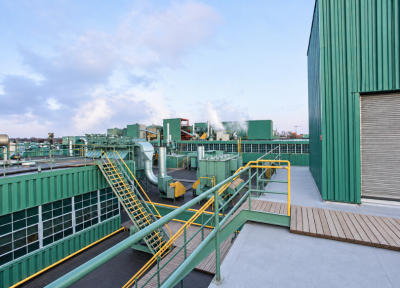
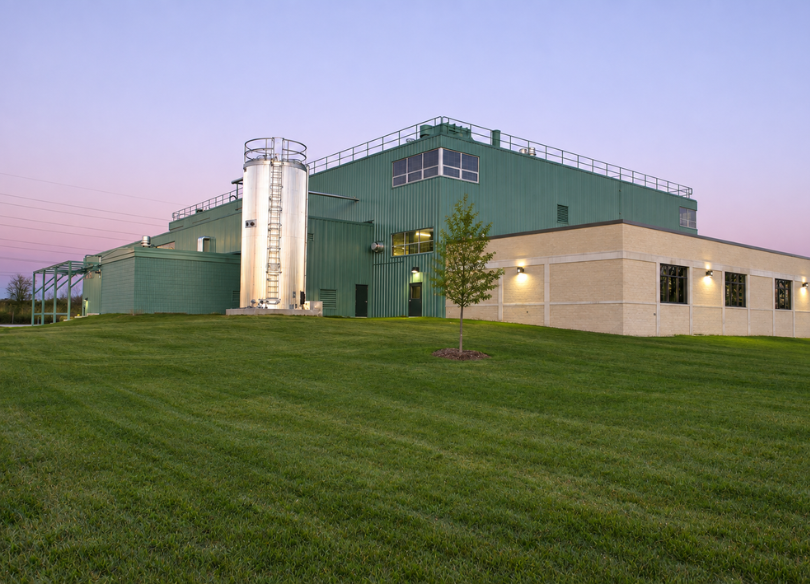
PLENCO Thermoset Manufacturing Operations

Measure What Matters

PLENCO tracks Scope 1 and Scope 2 manufacturing emissions across its primary product categories to better understand energy use and carbon intensity.

Improve Energy Performance

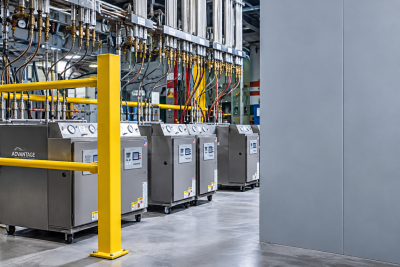
Facility upgrades, process improvements, and employee-led initiatives reduce energy use while supporting reliable manufacturing performance.

Recover More Value

Phenol recovery and regrind operations return manufacturing byproducts to production use, reducing waste and improving material efficiency.

25% Less Energy
Goal Achieved Ahead of Schedule

PLENCO joined the U.S. Department of Energy’s Better Plants initiative in 2017, committing to reduce energy use through manufacturing and operational improvements.
  • 25%
    Energy Reduction Goal Achieved
  • 2017
    Better Plants Partnership Began
  • 2026
    Goal Achieved Ahead of Schedule

Recovering Value From Manufacturing Byproducts

Phenol recovery and regrind operations return manufacturing byproducts to production use.

PLENCO’s phenol recovery operation reclaims phenol from production condensate for reuse in manufacturing, reducing waste sent to wastewater treatment and lowering the need for virgin phenol.

The U.S. Environmental Protection Agency recognized PLENCO with a Letter of Commendation for its voluntary initiative to reduce toxic emissions and foster pollution prevention.

Regrind operations process production material for reuse, reducing waste and improving material efficiency while maintaining established performance and quality requirements.
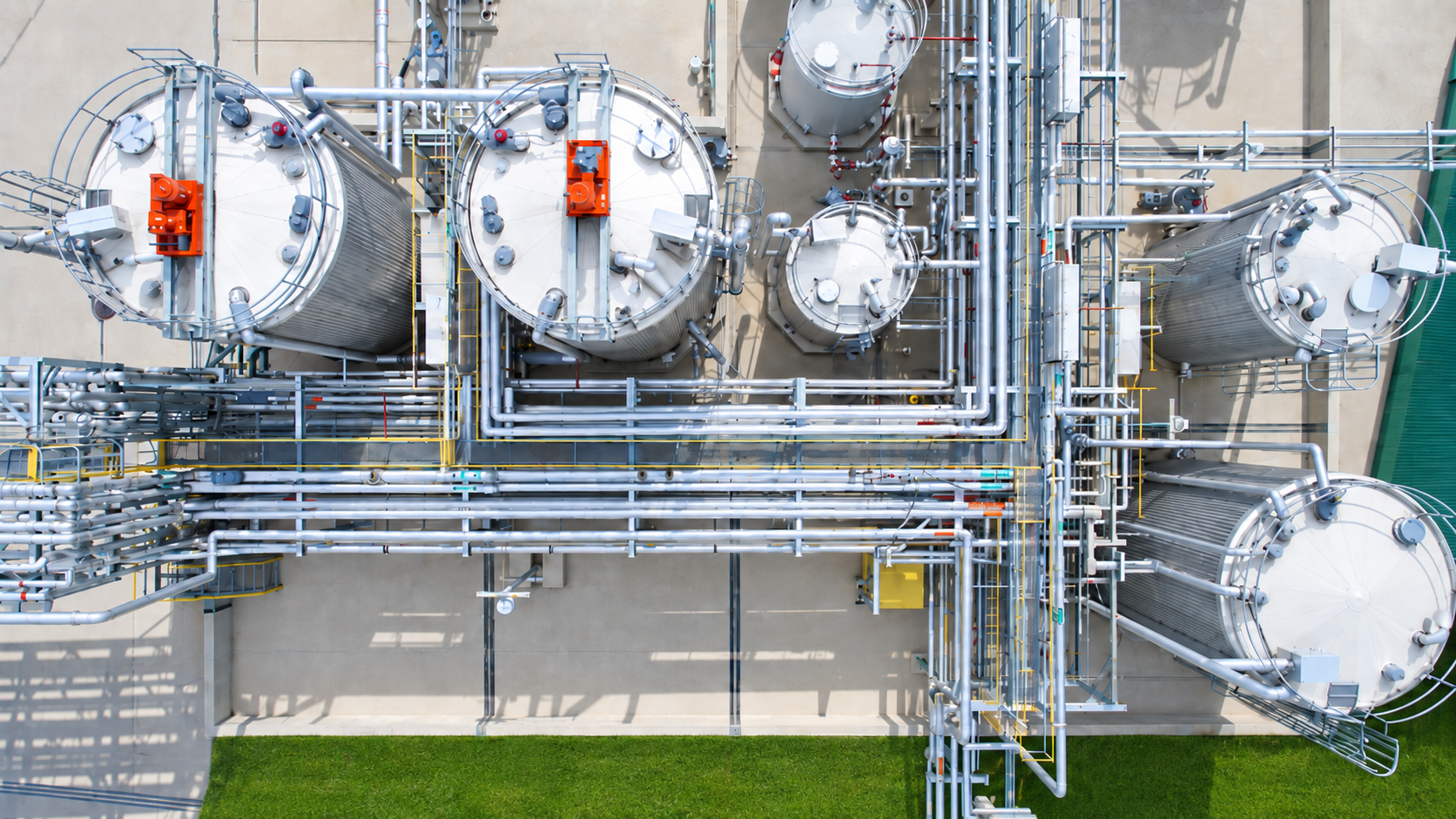
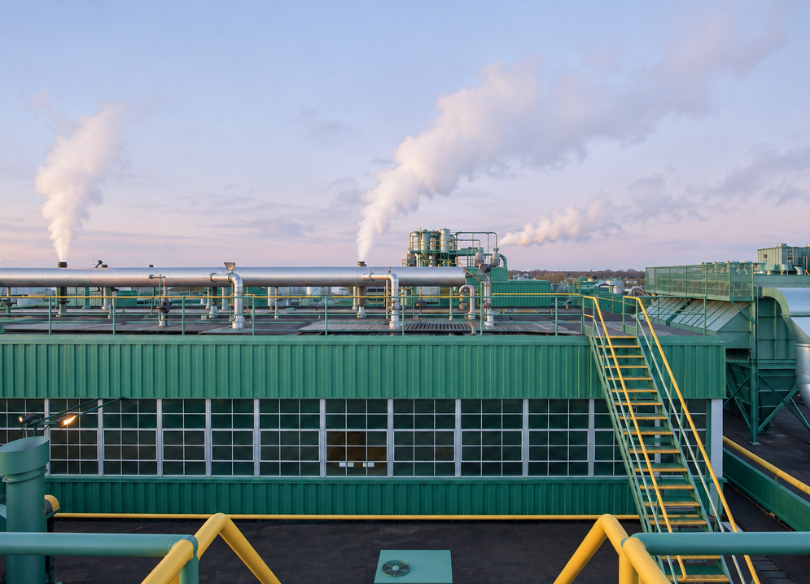
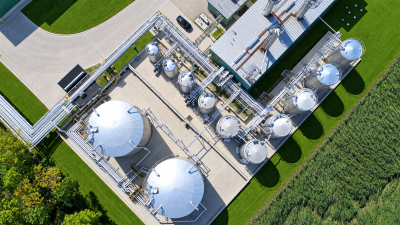
Tank Farm 3

Understanding Our Manufacturing Carbon Footprint

Consistent measurement helps PLENCO track manufacturing emissions and evaluate long term performance.

67% Lower Electricity Related Intensity

BMC electricity related emissions intensity decreased from 0.59 to 0.19 kg CO₂e/kg between 2016 and 2025.

23% Lower Natural Gas Related Intensity

Kettle Resin natural gas related emissions intensity decreased from 0.35 to 0.27 kg CO₂e/kg between 2016 and 2025.

Lower Across All Five
Categories

All five product categories recorded lower electricity and natural gas related emissions intensity in 2025 than in 2016.

The data can support customer Scope 3 reporting, supplier evaluations, carbon accounting, and material selection. The assessment covers PLENCO manufacturing and storage operations and is not a full product life cycle assessment.

Standards, Compliance, and Responsible Operations

Quality, security, compliance, and transparency across PLENCO’s operations and supply chain.

PLENCO maintains recognized certifications, participates in voluntary programs, and provides documentation that supports responsible manufacturing and informed customer decisions.

CTPAT

PLENCO participates in the Customs Trade Partnership Against Terrorism program, supporting supply chain security, risk management, and collaboration with U.S. Customs and Border Protection.

EcoVadis Assessment

PLENCO participates in the EcoVadis assessment process, which evaluates sustainability performance across environmental practices, labor and human rights, ethics, and sustainable procurement.